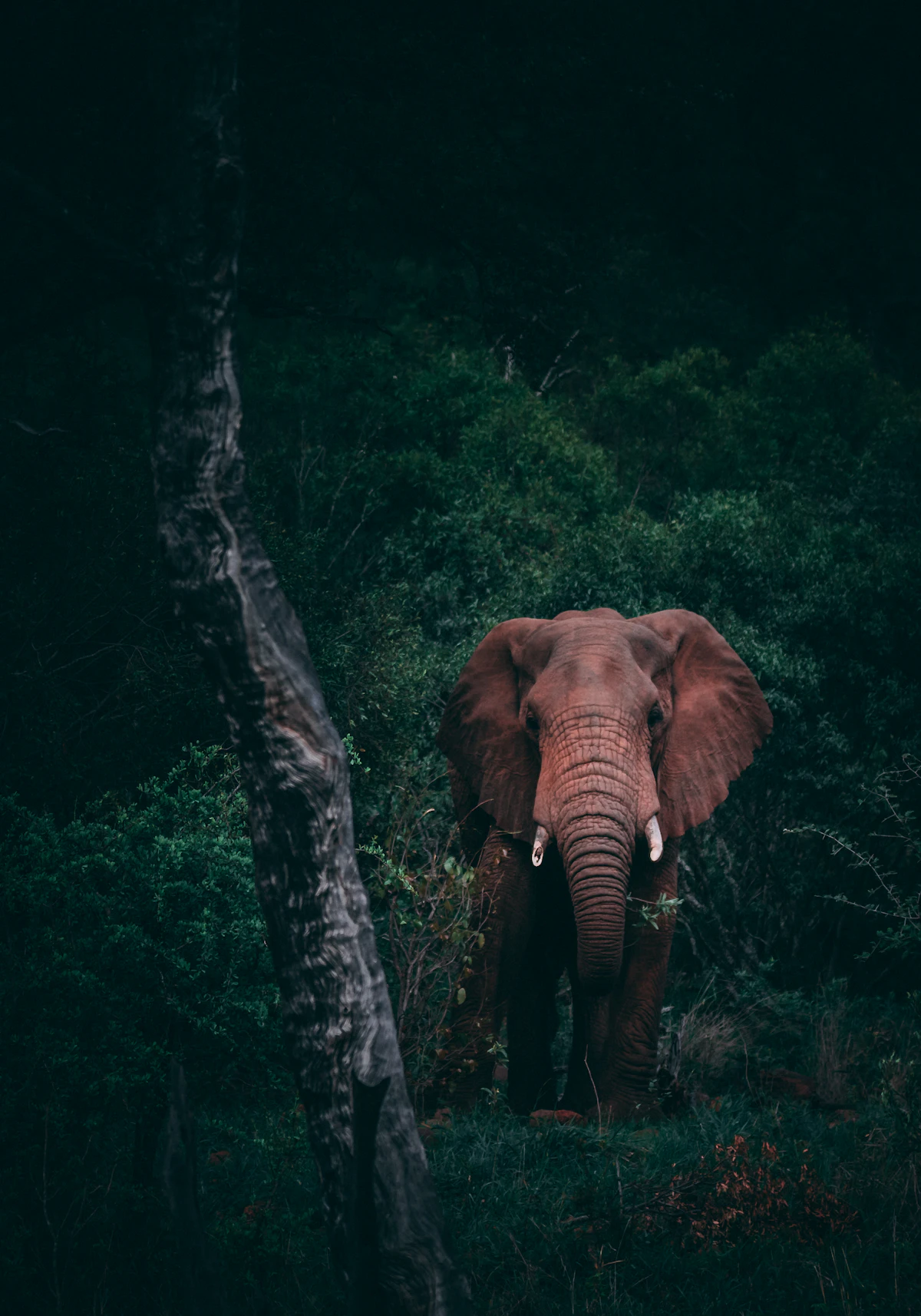
One of the greatest luxuries of outdoor exploration is sharing the environment with majestic wildlife. However, a close encounter with a bear, wolf, or mountain lion inside your camp perimeter is not an experience you want to have. Coexisting with apex predators requires strict discipline, premium gear, and a profound respect for nature's rules.
1. The Architecture of a Safe Camp (The Triangle Setup)
Safety begins with how you design your campsite. Never sleep where you eat. The elite standard for wilderness camping is the "Bear Triangle."
- Point A (Sleeping Area): Your tent should be pitched upwind from your cooking area.
- Point B (Cooking Area): Place your kitchen at least 100 yards (300 feet) away from your tent.
- Point C (Food Storage): Store your food 100 yards away from both your tent and your cooking area.
2. Odor Management and Food Storage
Animals possess olfactory senses that dwarf human capabilities. To a bear, a tube of mint toothpaste smells just as intriguing as a gourmet meal. Absolute odor discipline is required.
Never bring food, wrappers, or scented toiletries into your tent. Invest in high-end, IGBC-certified Bear Canisters. These rigid carbon-fiber or heavy-duty polymer containers are virtually indestructible. Alternatively, utilize a professional bear hang, suspending your food sack at least 15 feet high and 10 feet out from the tree trunk.
"Respecting wildlife means ensuring they never view you as a food source. Strict camp hygiene is the hallmark of a seasoned explorer."
3. Perimeter Defense and Deterrents
For expeditions deep into grizzly or polar bear territory, passive defense is not enough. You must carry active deterrents.
Bear spray is your primary non-lethal defense. Ensure you purchase maximum-strength, EPA-approved spray and keep it holstered on your hip—never buried in your backpack. For high-risk static camps, some luxury outfitters utilize portable, lightweight electric fences. These battery-operated perimeters deliver a harmless but startling shock, establishing a clear psychological boundary for curious predators.
By implementing these strict protocols, you protect both yourself and the wildlife, allowing you to enjoy the raw beauty of the natural world in complete peace.